

Heavy Duty Mobility Scooters For Sale Near Me
A scooter is an ideal option for those with mobility difficulties who find it difficult to walk long distances. There are many different models available, though, and each has distinct features that make it more or less suitable for specific types of users.
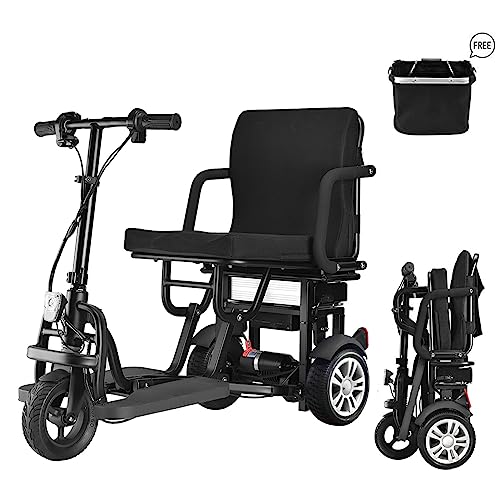
Enjoy the convenience of a travel scooter that offers high-performance operation and simple disassembly. This model features a charger in the tiller and regular LED front lighting. It also comes with 325 pounds of. weight capacity. weight capacity.
Scooters are different from. Wheelchairs
Some individuals prefer a scooter, while others prefer a power chair for its more stable ride. Both options offer a great deal of freedom for those who are unable to walk, but each has its own set of pros and cons. It is crucial to to evaluate your requirements and lifestyle before making a final choice.
You should consider the level of independence that you need from your mobility device and also how often you will make use of it. A lightweight three-wheeled scooter is sufficient for those who only need to use it to get to the local shops or cafe. It is less bulky and can be easily tucked away in the trunk of the car.
If you are looking for something that can allow you to travel further regularly, then a four-wheeled scooter is the ideal choice. These models can reach speeds of 5mph, and drive for up to 15 miles on a single charge. They can also manage rough terrains and steep slopes better than smaller counterparts.
It is important to consider your level of coordination and reaction when deciding whether the scooter or a wheelchair is better for you. A scooter is more responsive than a wheelchair and can be used to navigate narrow aisles and tight spaces. You'll need an adequate amount of strength and stability in order to safely operate a scooter. Get an occupational therapist to give you lessons before purchasing a mobility scooter if you are worried about your capabilities.
Mobility scooters can be misused by those who use them frequently. This can result in a decline in their physical condition. This is why it's important to follow a doctor's guidelines for physical activity each day and use the scooter as a substitute to walking.
Scooters are different from. Power Wheelchairs
Scooters assist people with mobility problems to get around outside the house. They are powered by batteries and controlled by a joystick or controls mounted on the armrests. They can travel longer distances and reach higher speeds than motorized wheelchairs. Many come with headlights to make it easier to see the user and for passing vehicles.
They can be used indoors as well as outdoors and provide more stability than a wheelchair, but they don't offer the same maneuverability. The turning radius is also larger, making it harder to maneuver through tight spaces. Mobility scooters are generally cheaper than power wheelchairs, which is great for people who are budget-conscious or don't have access to insurance coverage for the more costly model.
The key thing to consider when selecting a mobility scooter is the purpose you need it for. If you are seeking a device that will transport you from home to the store and back again then a mobility scooter is the ideal choice. It's smaller and more portable than the power wheelchair, which means it occupies less space in your vehicle. It is possible to fold it up and put it away when you're not using it.
On the other hand, if you are seeking a device to help you walk long distances, then a wheelchair is more appropriate. The majority of people who require a wheelchair to be on Medicaid and be categorized as having a medical need for the device. This could be as straightforward as an assertion that you are required to do your daily tasks on your own, or as complex as a diagnosis of a need that is clinical for the device.
There are many models of scooters and wheelchairs to suit any budget or lifestyle. For instance there are lightweight three-wheel models that fold up easily and can fit in the trunk of the car. You can also find bariatric models with a maximum weight of 500 pounds that are able to take on long distances and steep slopes.
Scooters vs. agree with this and scooters are beneficial for people who suffer from mobility issues However, each comes with its own pros and cons. A scooter, also referred to as an electric scooter or mobility scooter, is best suited for someone who wants to keep active but has trouble walking long distances. They can be used at the home or on the go, and are much more portable than power chairs. The majority of scooters can be broken down into 4 or 5 pieces which makes them easier to put in cars and other vehicles to transport.
Although they are typically controlled with a set of handlebars, mobility scooters do not require the most physical strength to operate. They are more appropriate for seniors who have some upper body strength but struggle with long walks. Mobility scooters can travel more than average walking speeds, making them an excellent choice for seniors who are looking to conserve energy when running errands, or visiting friends.
In comparison to power chairs, scooters tend to be cheaper and less bulky. A lot of scooters are disassembled to make them easier to move. Some come with a bag. However, they can be limited when it comes to speed and range and their wide turning radius could pose an issue in tight space.
Power chairs can be more expensive than scooters, particularly when people want to add extra features or customize. They can offer more stability, higher speeds, and a broader range of seating options.
The type of mobility aid you pick depends on your specific requirements and budget. If you're in the market for a heavy duty scooter that is available near me, be sure to think about all possible options and talk to a medical professional about what will be best for your lifestyle. Whatever device you end up choosing, there's no denying that it will make a huge difference in your overall quality of life.
Scooters vs. Other Assistive Devices
Scooters are more versatile than other assistive devices, such as walking aids and are suitable for use both indoors and outdoors. They can also be used to carry items, like bags of things to eat or personal items like a wallet and keys. Mobility scooters require a certain amount of physical strength to operate safely, without risking the safety of the user. To drive a scooter, users must be capable of turning their head to look behind them (although class two and class three models have rear view mirrors).
For many older adults who start using mobility scooters it is a way to be able to enjoy the independence of going to places in their local area that they would previously only be able to reach on foot, like a cafe for coffee or a shop to purchase products. This lets them remain active and engaged in community activities and not be dependent on the schedule of a friend or family member for a lift or to wait for a bus service. This can reduce feelings of loneliness and isolation and boost mental and emotional well-being.
There is a lack of research into the impact of using a mobility scooter on overall health and functional abilities. The few studies that are available typically consider both the perspectives of the users and their capabilities, but do not separate data for mobility scooters from electric wheelchair data which could be detrimental due to the differing physical capabilities and ages of both groups.
agree with this will also give you a feeling of freedom, which allows you to visit your friends or walk. This can boost social interaction and boost psychological and emotional health, while also maintaining regular movement to prevent stiffness and a decrease in strength.
Before you purchase or use a heavy duty scooter, you should consider its pros and cons. Heavy duty scooters are a great option for people who struggle to walk long distances, or who aren't comfortable using the chair or walker. However, they are not suitable for everyone. It is important to discuss your options with your physician or occupational therapist before making a decision whether to buy or use the scooter.